
A comprehensive exploration of jueteng, an illegal numbers game deeply rooted in Filipino culture, and its economic and legal implications alongside strategies for mitigation.
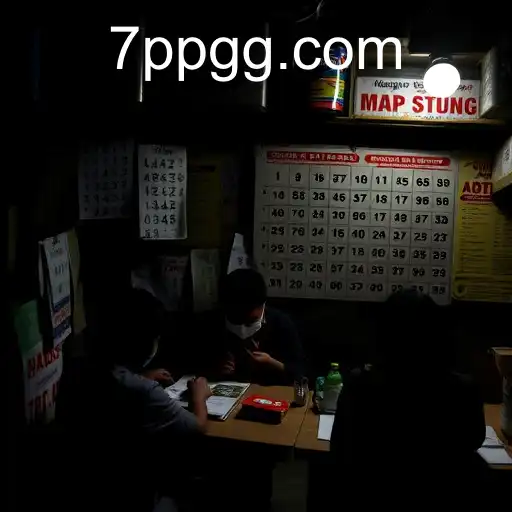
Understanding Jueteng: The Shadow Economy of the Philippines
Jueteng is a notorious and clandestine numbers game rooted deeply in the cultural and economic landscape of the Philippines. It is a form of illegal gambling that has thrived over the years, despite numerous efforts by government authorities to curb its prevalence. Known for its simplicity, jueteng draws participants from all walks of life, particularly in rural areas where economic hardship is prevalent.
The Mechanics of Jueteng
Jueteng primarily revolves around a simple numbers game similar to a lottery. Participants place bets on a two-number combination, which are then drawn randomly. Winning numbers result in cash payouts, which can be significant relative to the small bets placed. This characteristic makes jueteng particularly attractive to citizens who hope for a quick financial windfall.
The game is typically operated by affluent bettors who have the resources to manage the operations and payout winnings. These operators, often referred to as 'kubradors,' employ a workforce of individuals who collect bets from the public. The network is structured in a manner that allows it to operate discreetly, avoiding the attention of law enforcement authorities.
The Cultural Significance of Jueteng
888PGJueteng holds a significant cultural status in the Philippines. It is ingrained in the daily lives of many Filipinos, especially in areas with limited access to legitimate employment opportunities. While illegal, it is almost culturally uninterrupted due to its deep historical roots and the role it plays in providing financial hope to people in poverty-stricken regions.HH55
The pervasive nature of jueteng underscores its role as a social equalizer in a country where economic disparities are evident. For many, it represents a chance to dream and possibly alter their financial circumstances. The potent combination of hope and potential reward keeps people engaged despite the inherent risks associated with illegal gambling.
The Legal and Economic Implications
Jueteng is illegal under Philippine law. Efforts to suppress it have run parallel to the fight against other forms of unauthorized gambling. Despite these efforts, jueteng's prevalence is fueled by varied factors, including corruption within law enforcement and government agencies, as well as collusion with operators who profit from the game's endurance.BSbet
The economic implications of jueteng are vast. It operates as an underground economy, diverting possible revenues that could have benefited official government coffers through regulated lotteries and taxations. Attempts to integrate jueteng-like games into the government's authorized lottery program have been met with criticism and skepticism, often failing to replicate the appeal jueteng holds among its traditional clientele.
Efforts to Combat Jueteng
To combat its pervasive influence, law enforcement agencies conduct periodic crackdowns on jueteng activities. These campaigns, however, often fall short of their objectives due to the game's deeply entrenched structure and the reluctance of communities to cooperate with authorities. Many locals perceive these operations as temporary and selectively enforced.
Efforts to eliminate jueteng are further complicated by political dynamics, as some officials purportedly offer protection to operators in exchange for political favors or monetary kickbacks. This scenario underscores a broader issue of corruption and impunity within certain sectors of government and law enforcement.
PPGG: A Strategy for Reform
The introduction of the keyword "PPGG" serves as a potential strategy in addressing the challenges posed by jueteng. PPGG, which stands for "Participative and Progressive Governance and Gambling," emphasizes a holistic approach to reform. It advocates for community involvement, education, and creating alternative sources of livelihood as mechanisms to divert attention from illegal gambling activities.BR456
By engaging communities directly in finding solutions, PPGG aims to dismantle the allure of jueteng by promoting transparency and accountability in governance. The philosophy behind PPGG is rooted in the belief that sustainable reform is viable only when stakeholders, particularly the most affected communities, are active participants in the decision-making process.
Looking Forward: The Future of Jueteng
73BJueteng remains a contentious issue in the Philippine socio-economic and political landscape. While various strategies have been proposed and implemented over the years, the deep-rooted appeal of jueteng calls for innovative approaches that address both its socio-economic drivers and the cultural mindset that sustains it. Integrating principles like those highlighted in PPGG offers a promising pathway for stakeholders seeking to navigate the complexities of jueteng reform.
The road to eliminating jueteng as a societal norm is fraught with challenges requiring coordinated efforts across various sectors. As the Philippines continues to develop economically, addressing the issue of jueteng with innovative governance and increased community engagement offers hope for meaningful progress.